
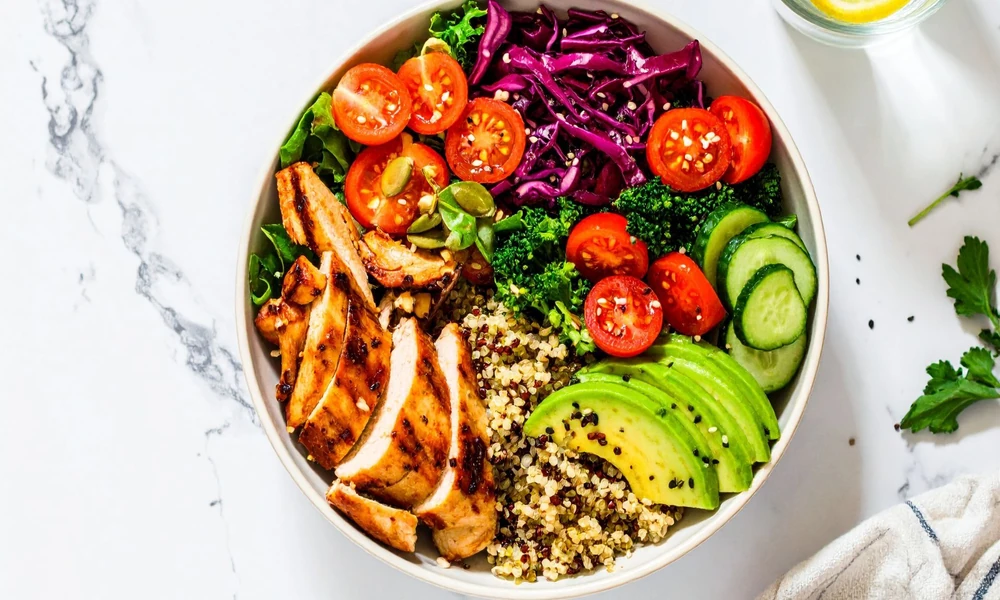
Creating nutritious meals does not require rare ingredients or complicated recipes. In fact, some of the healthiest eating habits begin with foods that have been part of everyday kitchens for generations. Fresh vegetables, whole grains, fruits, legumes, and naturally grown produce continue to provide the foundation for balanced meals because they offer both nourishment and versatility. Building a plate around these simple ingredients makes healthy eating more practical, sustainable, and enjoyable.
Rather than searching for the next food trend, many people are discovering the lasting value of ingredients that have always been readily available.
Choosing Whole Foods Over Highly Processed Options
The quality of a meal often depends on the ingredients selected before cooking even begins. Whole foods retain much of their natural character, allowing people to enjoy flavors and nutrients without relying on excessive processing.
Fresh vegetables, beans, whole grains, herbs, and potatoes all provide opportunities to prepare satisfying meals with fewer unnecessary additives. Cooking with these ingredients also encourages greater awareness of portion sizes, seasoning choices, and balanced meal composition.
Simple ingredients often deliver greater long-term value than heavily marketed convenience products.
Creating Colorful And Balanced Plates
One effective way to improve everyday nutrition is to build meals using a variety of natural colors. Bright vegetables, leafy greens, fruits, legumes, and root vegetables contribute different vitamins, minerals, and plant compounds that support overall wellness.
A balanced plate might include roasted vegetables, grilled protein, whole grains, and a serving of potatoes prepared using healthy cooking methods. This combination creates both visual appeal and nutritional diversity without making meal preparation overly complicated.
Colorful meals often encourage people to enjoy a broader range of wholesome foods throughout the week.
The Value Of Familiar Ingredients
Many traditional foods have remained popular because they continue to meet everyday nutritional needs. Potatoes are an excellent example of an ingredient that complements countless recipes while contributing valuable nourishment.
Learning more about potato nutrients helps people appreciate that potatoes naturally contain vitamin C, vitamin B6, potassium, and dietary fiber when enjoyed with their skin. Combined with other fresh ingredients, they become part of balanced meals that support healthy eating without requiring dramatic dietary changes.
Understanding the nutritional contribution of familiar foods allows people to make informed choices with greater confidence.
Cooking That Brings Families Together
Healthy meals are about more than individual ingredients. They also create opportunities for families to gather, share conversations, and establish positive eating habits.
Simple home-cooked meals prepared with fresh vegetables, potatoes, lean proteins, and herbs often become family traditions because they are approachable and satisfying. Children who regularly participate in meal preparation also become more familiar with wholesome foods, making balanced eating feel natural rather than restrictive.
Cooking together turns nutrition into an enjoyable daily practice instead of a complicated goal.
Making Seasonal Eating Easier
Nature provides different ingredients throughout the year, and building meals around seasonal produce helps create variety while supporting freshness.
Spring vegetables, summer salads, autumn root crops, and winter soups all benefit from simple ingredients that adapt to changing recipes. Potatoes work especially well throughout every season because they pair naturally with both fresh produce and hearty dishes.
Using seasonal ingredients also encourages creativity while helping households make the most of locally available foods.
Building Sustainable Kitchen Habits
Healthy eating becomes easier when daily routines support it. Keeping basic ingredients available at home allows people to prepare nutritious meals even on busy days.
Planning meals around versatile staples reduces unnecessary grocery trips, minimizes food waste, and encourages more home cooking. Fresh vegetables, grains, beans, and potatoes can all be incorporated into multiple recipes throughout the week, making meal preparation both efficient and economical.
Consistency often contributes more to long-term wellness than pursuing short-lived dietary trends.
Appreciating Simplicity In Nutrition
Modern food choices are often influenced by advertising, social media, and rapidly changing wellness trends. While innovation has its place, lasting nutrition usually comes from consistently eating wholesome foods rather than constantly seeking the newest dietary solution.
Simple ingredients have remained valuable because they continue to provide dependable nourishment across generations. Their familiar flavors, affordability, and flexibility make healthy eating achievable for people with diverse lifestyles and cooking abilities.
Conclusion
Building better plates begins with recognizing the value of nature’s simplest ingredients. Fresh vegetables, whole grains, legumes, fruits, and potatoes provide a reliable foundation for meals that are both nutritious and enjoyable. By focusing on wholesome foods instead of complicated food trends, families can create balanced eating habits that support long-term wellness. Sometimes the smartest path to better nutrition is not discovering something new but making better use of the simple ingredients that have always been there.