
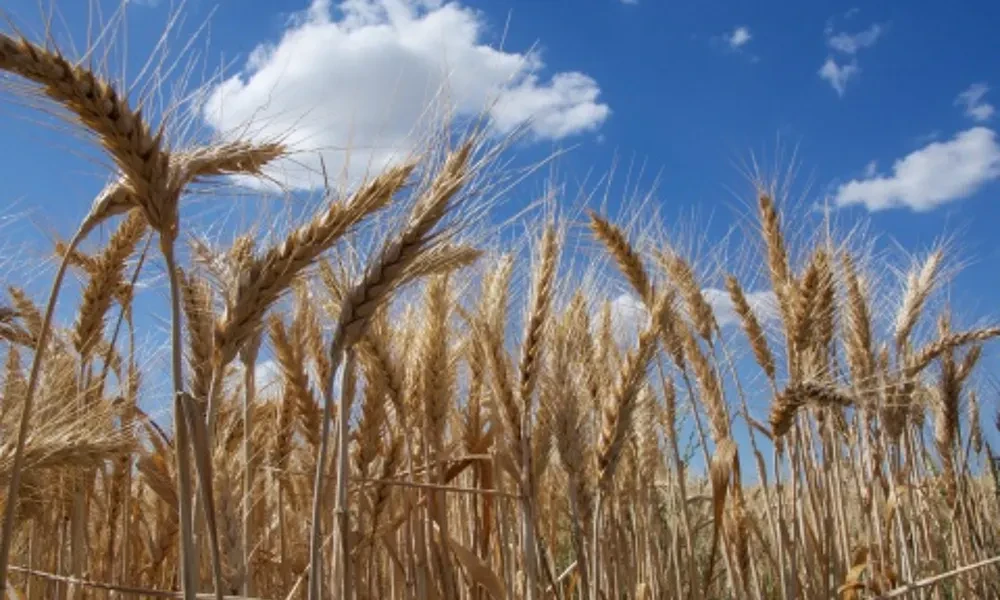
Before the seventeenth century, agricultural techniques relied entirely on traditional crop cultivars and combinations of these landraces. The population boom that followed the Industrial Revolution permanently changed the subsistence character of agriculture and its cultivation practices. Mendel and other early plant geneticists contributed to the thinking of plant genetics in the middle of the nineteenth century that allowed agriculture to significantly boost its potential for productivity. Unquestionably, the wonders of crop improvement have led to the degradation of the genetic variety of many crops in farmers’ fields, including wheat, as current high-yielding cultivars have replaced traditional crops and farmers’ past cultivars.
Protecting this remaining diversity is essential for building resilient crops that can respond to changing environmental conditions, emerging diseases, and future farming challenges. Understanding the value of Wheat Genetic Diversity Future Agriculture Guide can help researchers and breeders identify useful traits preserved in landraces and wild relatives, including drought tolerance, disease resistance, and adaptability to difficult growing conditions. By conserving and studying these genetic resources, agriculture can maintain a broader foundation for developing wheat varieties that are productive while being better equipped for an uncertain climate.
Feral relatives and traditional crops of agricultural species have been displaced in their native locations due to genetic erosion, which is mostly caused by contemporary semidwarf cultivars of crops like rice and wheat. But in actuality, this was the second degradation. More than 200 years ago, the first genetic erosion began with the introduction of more intensive farming practices, farmer selection within local cultivars, their renewal by beginning from other regions, and cultivars resulting from blending once the inherent mechanisms were understood.
Wheat gathering required.
Even if a significant amount of landrace and wild wheat germplasm has been gathered since 1989, there are still significant gaps in global collections. Wheat was given top priority among all crops for collection and preservation by Croston and Williams in 1981 for reasons that are still relevant today. The introduction of new cultivars that are superior in terms of agronomy is causing wild wheats and landraces, particularly those adapted to microenvironments, to rapidly vanish. Serious pasturing by large groups of goats and sheep in the Close East and Central Asia can, in some years, destroy late-blooming species like goatgrass (Aegilops) and cereal grain (Triticum species) in liking to latest flowering.
For wheat germplasm, there are still 3 crucial collection requirements. The first requirement is to keep gathering wild wheat relatives in the areas where they are indigenous. The second requirement is the gathering of landraces in previously uncollected areas like Guatemala. The third requirement is the procurement of new and obsolete cultivars from various nations, as well as improved germplasm with certain features from breeding programs.
The centre of difference for feral wheat relatives contains: Israel, Lebanon, Jordan, Egypt, Armenia, Turkey, Syria, Iraq, Iran, Azerbaijan, Turkic Republics of Central Asia and Afghanistan. Most of these countries are not easily reachable. However, most are becoming reachable for group undertakings and collaborative work. The span of wheat-exporting relations occurs from the Canary Islands to the western part of China, and from the southern part of Russia to northern India and Pakistan. About sixty lakh forty thousand acquisitions of Triticum (wheat), Aegilops (goatgrass) and Triticosecale can be established in groups around the globe. Therefore, putting such collections in safe storage rather than gathering fresh items in the field might be more economical.