
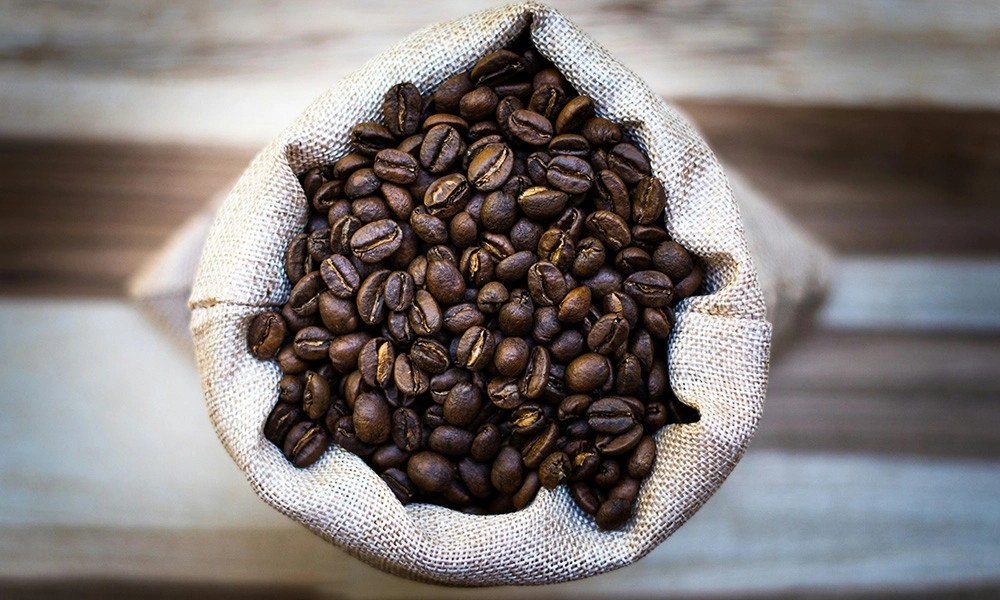
There is a noticeable shift in the way people buy coffee across the UK. The decision is no longer based only on price or habit. More buyers are paying attention to flavour, consistency, brewing method and long-term value. That is especially true when it comes to coffee beans, which are now being treated less like a simple staple and more like the starting point of a better coffee experience.
This change is showing up everywhere. Home brewers want more control over freshness. Offices want a more enjoyable coffee break without creating operational headaches. Independent cafés want quality they can rely on day after day. Even buyers who also stock items like coffee syrups, disposable coffee cups or decaf coffee beans are increasingly aware that the quality of the main coffee offer still shapes how everything else is judged.
Why coffee beans are getting more attention
More people now understand that good coffee starts before the machine is switched on. A smart grinder, a stylish espresso machine or a polished drinks menu can all help, but none of them can make poor beans taste excellent. That is why coffee beans are becoming a bigger part of the buying conversation.
Buyers want coffee that feels dependable. They want the flavour to hold up on a rushed weekday morning, in a busy workplace kitchen or during a café breakfast rush. They also want beans that match the way they actually drink coffee. A person making strong espresso coffee at home will not look for exactly the same profile as an office manager ordering for a shared machine.
This more thoughtful approach is changing expectations. Instead of simply asking whether a coffee is cheap or premium, buyers are asking better questions. Will the beans work with the equipment already in place? Will they still taste balanced in milk-based drinks? Are they suitable for a wider range of preferences, including those who might want decaf coffee beans later in the day?
Buyers are looking beyond price alone
Price still matters, of course. It always will. But buyers are becoming more realistic about what value actually means. Cheap coffee that tastes flat, inconsistent or bitter often ends up feeling like poor value, especially when it is served repeatedly.
A stronger buying approach looks at the bigger picture. Good coffee beans can help make each cup more satisfying, which matters whether you are serving customers or simply trying to make the office brew feel less forgettable. The same thinking applies to add-on items. A well-made drink served in the right disposable coffee cups and supported by carefully chosen coffee syrups feels far more considered than a rushed offer made from low-quality basics.
Value now means asking what the coffee will deliver over time. Will it be easy to use? Will people genuinely enjoy it? Will it support repeat purchases or better daily habits? Those are more useful questions than focusing only on the lowest number on a supplier sheet.
Freshness and brewing style are shaping decisions
Another major change is that buyers have become more aware of freshness. Freshly opened coffee beans tend to hold aroma and character better than coffee that has been sitting too long or has already lost some of its qualities before brewing even begins. That matters to enthusiasts, but it also matters to businesses trying to provide a consistently good cup.
Brewing style is also driving smarter choices. People who enjoy filter coffee often look for something smooth, rounded and easy to drink. Those focused on espresso coffee may want more body, a richer finish or a flavour profile that cuts well through milk. Buyers are learning that one bag does not suit every purpose.
That shift has helped broaden the conversation around coffee altogether. A workplace may choose one dependable option for everyday brewing and still keep decaf coffee beans available for those who want lower-caffeine choices in the afternoon. A café may build its menu around well-chosen beans and then introduce selective coffee syrups for seasonal drinks without letting sweetness dominate the whole offer.
The role of convenience has changed
Convenience still matters, but it means something slightly different now. It no longer means buying without thinking. It means choosing products that work well without creating unnecessary complexity.
That is why many buyers want coffee beans that deliver reliable flavour without requiring endless adjustments. They want them to perform well in the equipment they already use. They want them to fit into real routines. Convenience also includes practical elements around service. In takeaway settings, for example, the coffee itself needs to be good, but so does the customer experience around it, including the use of sturdy disposable coffee cups that match the pace of service.
For offices and smaller hospitality spaces, convenience may also mean having a broader range without making the setup feel overcomplicated. A core bean option, a decaf coffee beans alternative, and a selective range of coffee syrups can often do more than an oversized menu filled with items that are rarely used properly.
UK buyers are becoming more experimental, but not careless
There is definitely more curiosity in the market. Buyers are willing to try different roast styles, blends and café formats. They are more open to iced drinks, flavoured options and speciality-style choices. But that does not mean they are buying randomly.
In fact, the trend is the opposite. Buyers are becoming more selective because they know poor choices stand out quickly. A disappointing bag of coffee beans affects not just one cup but every cup made from it. A badly matched syrup can overwhelm the coffee. Weak espresso coffee can ruin confidence in the whole setup.
That is why successful buying in 2026 looks less impulsive and more balanced. People want variety, but they also want products that make sense together. The strongest coffee offers are not necessarily the most complicated. They are often the ones where the beans, brewing method and extras all feel properly matched.
What this means for coffee sellers and stockists
For businesses selling coffee, this shift is important. Buyers are no longer satisfied by vague promises. They want clarity. They want to understand where a product fits and why it suits a particular need. That applies to coffee beans, but also to related products like coffee syrups, decaf coffee beans and takeaway service essentials.
The most appealing coffee offers now tend to be the ones that feel practical and well considered. Buyers appreciate guidance, but they also want the freedom to build an offer that reflects their setting. A café does not need the same combination of products as a co-working space. A home brewer does not need the same setup as a busy petrol station serving morning commuters.
Understanding that difference is becoming a key part of smart coffee buying.
A more thoughtful coffee future
The UK coffee market is not simply getting more premium. It is getting more considered. People are taking a closer look at what they buy, why they buy it and how it performs in daily life. That is particularly true for coffee beans, which remain the foundation of the whole experience.
Whether someone is choosing beans for home brewing, stocking espresso coffee for a café menu, adding decaf coffee beans for flexibility or supporting takeaway trade with the right disposable coffee cups, the same principle now applies. Buyers want products that work well together and deliver a better everyday result.
For businesses looking to refine that offer without overcomplicating it, Discount Coffee is one of the names worth exploring when building a practical and well-rounded coffee range.
FAQs
- Why are more people paying attention to coffee beans now?
Because buyers increasingly understand that the quality of coffee beans affects flavour, consistency and overall value more than many other parts of the setup. - Can coffee beans and decaf coffee beans both be useful in one setup?
Yes. Many homes, offices and hospitality spaces now keep both coffee beans and decaf coffee beans to suit different preferences during the day. - How do coffee syrups fit into a better coffee offer?
Used selectively, coffee syrups can widen menu appeal, especially when paired with strong core coffee options such as quality espresso coffee.