
Key Highlights
- Blue cheese gains its distinctive appearance and sharp flavour from specific edible moulds.
- There are several world-famous varieties, including Stilton, Roquefort, and Gorgonzola.
- Pairing these cheeses with sweet elements like honey or dried fruits balances their natural saltiness.
- Serving blue cheese at room temperature ensures the full depth of its profile is accessible to the palate.
Introduction
Blue cheese often stands as the most debated item on a gourmet grazing board. Some enthusiasts adore its pungent aroma and complex tang, while others feel intimidated by its bold character. However, once you understand the craftsmanship behind this dairy masterpiece, you can truly appreciate its place in the culinary world. By exploring the different varieties and learning how to present blue cheese, you will transform your next dining experience into a sophisticated exploration of flavour.
1. The Distinctive Characteristics of Blue Cheese
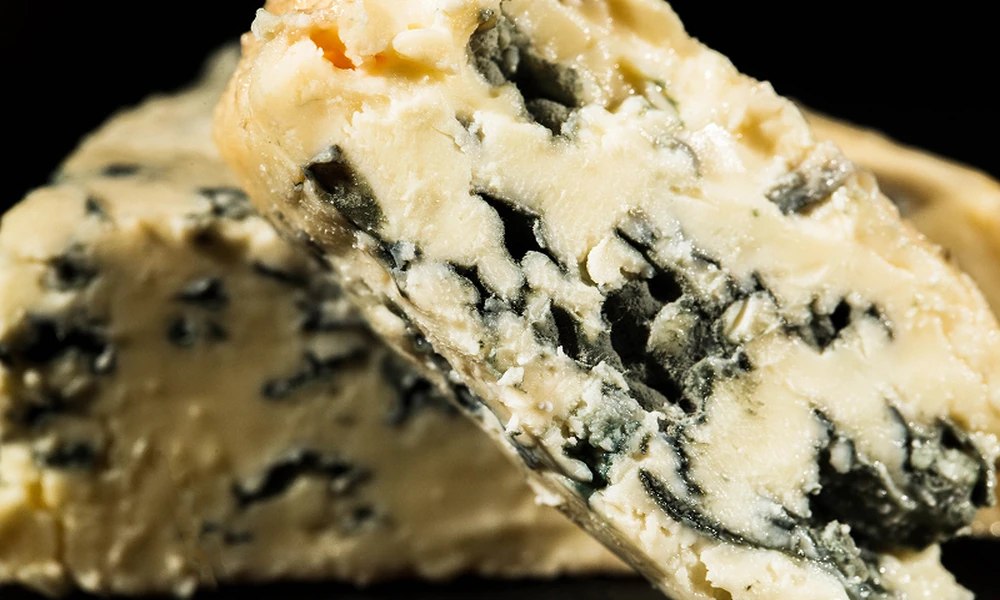
The defining feature of blue cheese is the presence of Penicillium roqueforti or Penicillium glaucum. Artisans introduce these specific moulds during the cheesemaking process to create the iconic blue or green veins that run through the paste. While the idea of mould might seem unusual to a novice, these specific strains are entirely safe and responsible for the creamy, spicy, and salty notes associated with the category. The process involves a technique called needling, where producers pierce the cheese with thin rods to allow oxygen to enter.
Beyond aesthetics, the texture of blue cheese varies significantly depending on its moisture content and age. You might encounter crumbly versions that fall apart at the touch of a knife or velvety varieties that spread like butter. The flavour profile usually begins with a salty hit followed by a sharp, metallic, or earthy finish. Because the mould breaks down fats and proteins over time, the cheese develops a depth of flavour that other varieties cannot match.
2. Exploring World-Renowned Varieties
Not all blue cheese is created equal, as different regions across Europe have perfected their own signature styles. Roquefort, hailing from France, is perhaps the most famous sheep’s milk variety. It is aged in the natural Combalou caves, resulting in a moist, crumbly texture and a powerful, tangy finish. In contrast, Italy offers Gorgonzola, which comes in two distinct forms: Piccante and Dolce. Gorgonzola Dolce is remarkably sweet and creamy, making it an excellent choice for beginners, while the Piccante version provides a firmer texture and a much sharper bite.
England contributes the legendary Blue Stilton, a cow’s milk cheese that must follow strict geographical indications. Stilton is known for its beautiful radial veining and a mellow, nutty flavour that becomes richer as it matures. For those seeking something slightly different, Spanish Cabrales offers a rustic and intensely spicy experience, often wrapped in maple leaves. By trying several types, you can identify whether you prefer the creamy sweetness of an Italian blue or the bold saltiness of a French classic.
3. Mastering the Art of Flavour Pairings
The secret to enjoying blue cheese lies in the balance of flavours. Because this cheese is naturally high in salt and acidity, it pairs exceptionally well with sweet and floral accompaniments. Honey is a classic choice; a small drizzle over a wedge of Gorgonzola cuts through the richness and highlights the milk’s floral notes. Similarly, dried fruits such as figs, apricots, and cranberries provide a chewy texture that complements the cheese’s creaminess. Nuts, particularly walnuts and pecans, add a woody crunch that grounds the sharper elements of the blue veins.
Beverage pairings are equally important when serving a selection of blue cheese. Traditionally, sweet dessert wines like Port or Sauternes are the preferred partners. The high sugar content in these wines provides a perfect counterpoint to the cheese’s saltiness, creating a harmonious sensation on the tongue. If you prefer beer, a stout or a porter offers a malty depth that stands up well to the dairy’s pungent nature. Even simple crackers can make a difference; choose neutral or slightly sweet oatcakes to ensure the cheese remains the star of the show.
4. Best Practices for Serving and Storage
To experience the best possible taste and texture, you must pay attention to how you handle your cheese platter. Temperature is the most critical factor. Cold cheese from the fridge can feel waxy and muted. Instead, remove your blue cheese from refrigeration at least 1 hour before serving. This allows the fats to soften and the aromatic compounds to release, ensuring that the flavour is full and vibrant. When arranging a platter, use a separate knife for the blue cheese to prevent the mould from spreading to milder varieties like brie or cheddar.
Storage requires a delicate touch to maintain freshness without drying out the product. Avoid using plastic wrap for long periods, as it can trap moisture and cause the cheese to develop off-flavours. Instead, use wax paper or specialised cheese paper, which allows the cheese to breathe while maintaining its internal moisture. Place the wrapped cheese in a sealed container in the vegetable drawer of your fridge, where the temperature is most consistent. If you notice the blue veins turning grey or a faint smell of ammonia, it is a sign that the cheese has passed its prime.
Conclusion
Embracing blue cheese is a journey of discovery that rewards the adventurous palate. From the creamy textures of Italian classics to the bold, cave-aged intensity of French varieties, there is a style to suit every preference. By following proper serving etiquette and experimenting with sweet and salty pairings, you can elevate a simple snack into a gourmet event. The complexity of these cheeses makes them a versatile addition to any kitchen or social gathering. Whether crumbled into a salad or enjoyed solo on a cracker, blue cheese remains one of the most sophisticated foods in the world.
Contact Cheeselads to discover a premium selection of artisanal cheeses and expertly curated hampers.