
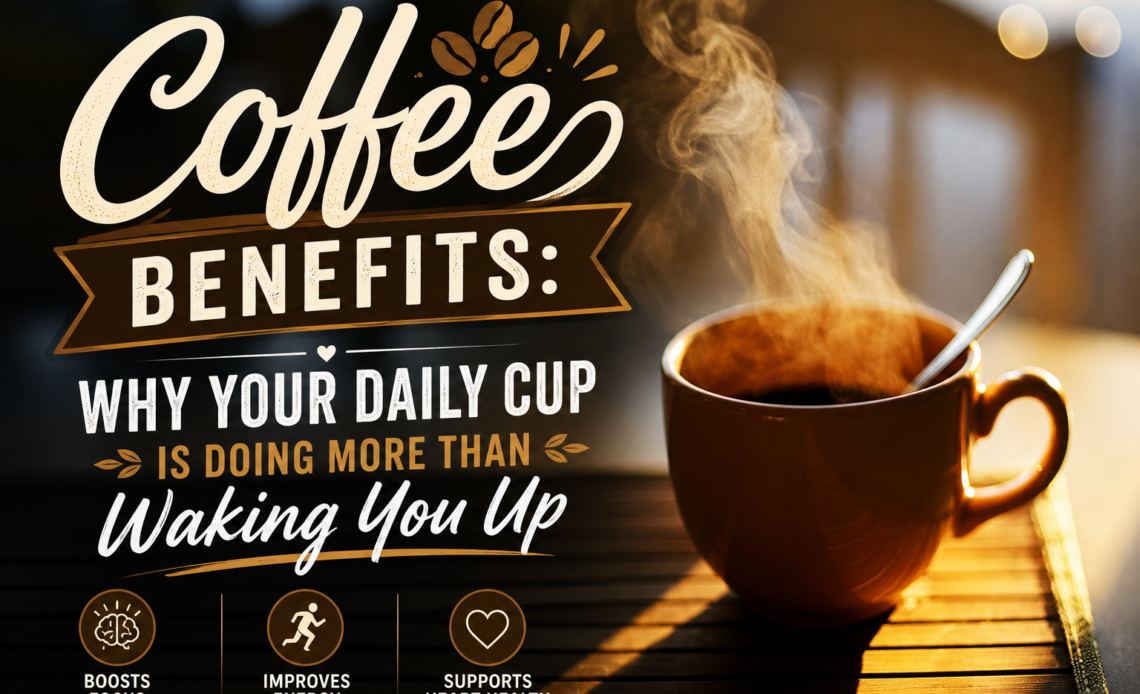
There’s a reason coffee culture keeps growing instead of fading. It’s not just about caffeine anymore — it’s a ritual, a personality trait, and (surprisingly) a legitimate wellness habit backed by science. If you’ve ever felt a little guilty about that second cup, this is your permission slip.
Coffee Isn’t Just a Habit — It’s a Lifestyle Signal
Walk into any café today and you’ll notice something: coffee has quietly become a form of self-expression. Oat milk cortados, single-origin pour-overs, cold brew concentrates — the way people order their coffee says almost as much about them as their playlist does. Coffee shops aren’t just pit stops anymore; they’re where people work, meet, create, and recharge.
The Real Coffee Benefits Backed by Research
Let’s get past the hype and talk about what coffee actually does for you:
- Sharper focus, faster reaction time — Caffeine blocks adenosine, the chemical that makes you feel drowsy, giving you noticeably better alertness within 20–30 minutes of your first sip.
- A metabolism nudge — Coffee has been linked to a modest, temporary boost in metabolic rate, which is why so many fitness routines start with a black coffee.
- Antioxidant powerhouse — For many people, coffee is actually the single largest source of antioxidants in their daily diet — more than fruits and vegetables combined.
- Mood and motivation lift — That “let’s get things done” feeling after your first sip isn’t just placebo; caffeine interacts with dopamine pathways in the brain.
- Long-term brain health support — Regular, moderate coffee drinkers show associations with lower risk of cognitive decline in various studies.
Why Specialty Coffee Is Having a Moment
The specialty coffee movement has turned brewing into a craft. People are investing in:
- Home espresso setups that rival café quality
- Manual pour-over gear for full control over flavor
- Direct-trade beans that support farmers and highlight origin stories
- Flavor exploration — fruity Ethiopian roasts, chocolatey Brazilian blends, bold Sumatran darks
This shift reflects a bigger trend: people want to slow down and actually taste what they’re drinking, instead of just fueling up on autopilot.
The Rise of Functional Coffee
Coffee brands are innovating fast, blending your daily cup with added benefits:
- Mushroom-infused coffee for calmer energy
- Collagen coffee for skin and joint support
- Protein-boosted cold brews for post-workout fuel
- Adaptogenic blends aimed at reducing stress while still delivering that caffeine kick
This is coffee evolving from a simple beverage into a genuine wellness product.
How to Get the Most Out of Your Coffee Benefits
- Time it right — Drinking coffee 60–90 minutes after waking (instead of immediately) works better with your natural cortisol rhythm.
- Watch the additions — Sugary syrups and heavy creamers can cancel out the health perks. Keep it simple when you can.
- Stay within moderate limits — Most research points to 3–4 cups a day as the sweet spot for benefits without overdoing caffeine intake.
- Hydrate alongside it — Coffee is mildly diuretic, so pair it with water throughout the day.
- Choose quality beans — Freshly roasted, well-sourced coffee doesn’t just taste better — it often means fewer additives and better overall quality.
The Bottom Line
Coffee has outgrown its old reputation as just a caffeine delivery system. Today, it sits at the intersection of ritual, culture, and genuine health benefit — one cup that wakes up your brain, supports your mood, and gives you a moment to pause in an otherwise chaotic day. Whether you’re a black-coffee purist or a functional-latte experimenter, the humble cup of coffee has never been more relevant.
So the next time someone asks why you’re “so obsessed” with coffee — you’ve now got the science, the culture, and the flavor to back it up.