
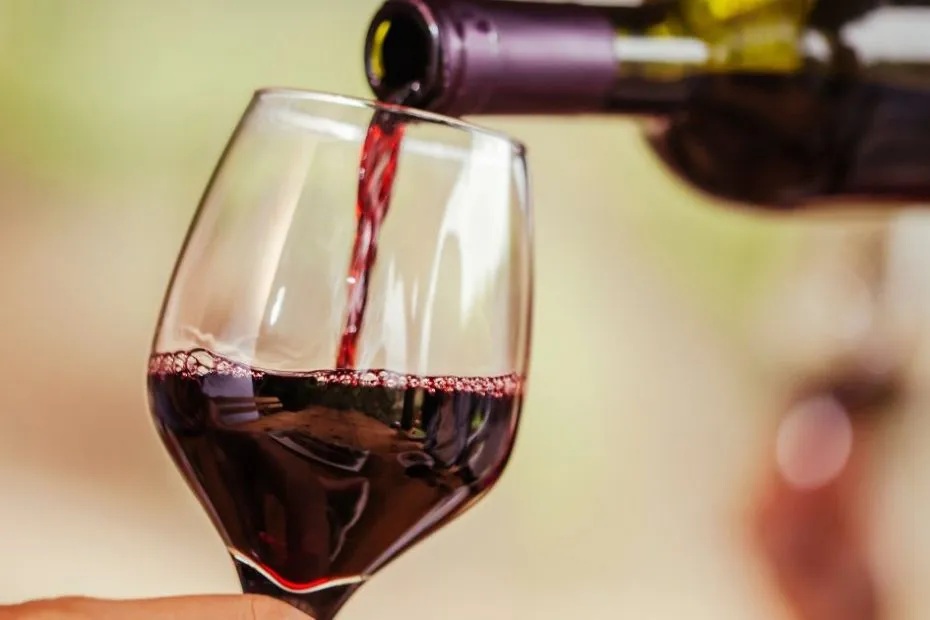
If your usual bottle of French or Italian wine suddenly costs noticeably more this year, it is not your imagination and it is not inflation alone. A new tariff on European wine imports has worked its way through the supply chain in 2026, and the price increase showing up on the shelf is often far larger than the tariff rate itself. For wine drinkers who have spent years defaulting to the same familiar regions, this is turning into the year that habit gets expensive.
What Actually Happened With Wine Tariffs?
A tariff of roughly 15 percent is now active on wine imported from the European Union, layered on top of an American wine distribution system that already adds cost at every stage before a bottle reaches a store shelf. The tariff itself is not the only number that matters here. It is the multiplier effect once that added cost moves through importers, distributors, and retailers, each adding their own margin on top of an already higher base price.
Why Are Price Increases Bigger Than the Tariff Rate Itself?
Wine in the United States generally moves through a three tier system: producer to importer, importer to distributor, distributor to retailer. Each tier typically prices its markup as a percentage of what it paid, not a flat dollar amount. When the base cost of a bottle rises because of a tariff, every tier’s markup rises along with it, compounding rather than simply adding up. That structural quirk is a big part of why industry buyers are warning shoppers to expect retail price jumps in the range of 25 to 50 percent on many French, Italian, and Spanish bottles through the middle of 2026, well beyond what a 15 percent tariff would suggest on its own.
Which Wines Are Getting Hit Hardest?
The impact is landing unevenly. Bottles from well known, high demand appellations, the names that already carried a premium for their reputation, are seeing some of the largest absolute price jumps, since a percentage increase on a higher starting price produces a bigger dollar impact. Lesser known European wines and everyday table wines are also affected, but the gap between a familiar name and a lesser known alternative from the same region has widened considerably, which is reshaping what actually looks like a good deal on a wine shop shelf.
Where Are Value Conscious Drinkers Turning Instead?
Buyers and sommeliers are steering toward regions and styles that deliver similar quality without the tariff exposure or the brand premium. Two shifts are showing up consistently: a move toward wine producing countries outside the highest tariff impact, and a rediscovery of lesser known appellations that sit right next to famous ones without carrying the same name recognition markup.
Chillable reds made from lighter grapes like Gamay, Frappato, and Zweigelt are also gaining ground, both because they tend to be more affordable and because they fit a broader shift toward lighter, more versatile styles that work across more occasions than a single heavy, formal red.
What Makes Portugal Such a Strong Value Play Right Now?
Portugal has become one of the clearest beneficiaries of this shift. Indigenous grape varieties like Touriga Nacional are earning comparisons to far more expensive wines from more famous regions, offering similar complexity and structure at a fraction of the price. Portuguese wine exports are on pace for meaningful growth in 2026, and industry buyers increasingly describe the country as the most consistent value play on the market right now, precisely because its wines have not yet accumulated the brand premium that drives up prices elsewhere in Europe.
What Are “Satellite” Appellations, and Why Do They Matter?
Inside individual wine regions, a similar dynamic is playing out at a smaller scale. Take Sancerre, a famous white wine appellation in France’s Loire Valley that commands a well known price premium. Neighboring appellations like Menetou-Salon, Quincy, and Reuilly sit on the same limestone soil and produce wines with a strikingly similar mineral, zesty character, simply without Sancerre’s name recognition. Buyers who know to look for these satellite appellations are finding they can get a very comparable wine for meaningfully less, which sommeliers describe as one of the most reliable value moves available to anyone willing to ask their wine shop for an alternative rather than reaching for the familiar label out of habit.
Is This Changing How People Drink, Not Just What They Buy?
Yes, and not only because of price. A parallel trend toward drinking less but better is reinforcing the same shift. Younger drinkers in particular are reported to be buying fewer bottles overall while spending more per bottle when they do, prioritizing quality and a genuine occasion over habitual, everyday drinking. That mindset lines up naturally with hunting for a well made bottle from an unfamiliar region instead of defaulting to a recognizable name purely out of comfort.
What Should You Actually Do at the Wine Shop?
A few habits make the biggest difference in a year like this one:
- Ask your wine shop for a satellite or lesser known alternative the next time you reach for a famous appellation. Most shops can point you to something similar for less.
- Try a Portuguese bottle built around an indigenous grape if you have not already. It is currently one of the more consistent ways to get more character per dollar spent.
- Consider a chillable red for occasions where you might normally default to a heavier, more expensive style.
- Check the country of origin before assuming a price jump is just general inflation. European bottles are being affected differently than wines from outside the tariff’s reach.
The Bottom Line
Tariffs did not make good wine disappear. They made brand loyalty to a handful of famous names considerably more expensive, and pushed a lot of curious drinkers toward bottles they might never have tried otherwise. For anyone willing to ask a question at the register instead of grabbing the usual label, 2026 is shaping up to be a genuinely good year to expand what is actually in the glass.
Wine prices and tariff impacts vary by retailer, region, and specific bottle, and change over time. The figures above are general market estimates for planning purposes, so confirm current pricing with your local retailer. Please enjoy wine responsibly and only where legal to do so.